
farming technology, running a farm meant being there every single day. Early mornings, long evenings, and no real breaks — it wasn’t a lifestyle that mixed well with a city job or a busy family schedule.
That’s changing fast. In 2026, a quiet but exciting shift is happening across the countryside. More people are becoming weekend farmers — growing real food and running productive plots of land without ever giving up their Monday-to-Friday lives. They show up on Saturday morning, check in on things, do what needs doing, and head back to the city by Sunday evening.
What makes it possible? Technology that works while you don’t.
Smart systems now handle the tasks that once demanded daily attention — watering, monitoring, adjusting, alerting. You don’t need to be standing in a field to know what’s happening in it. Your phone does that for you.
Whether your goal is a steady supply of fresh organic vegetables, a small income on the side, or simply a peaceful escape that also produces something real — modern farming technology has quietly removed the biggest barrier that always stood in the way: time.
This is the part-time farm. And it’s more achievable than you might think.
Human-in-the-Loop Systems in Advanced Farming
The Rise of Farming Technology in Small-Scale and Weekend Farming
Not long ago, running a farm meant being there every single day. Early mornings, late evenings, no real days off. It was hard to imagine fitting farm life around a regular job or a busy family.
But that’s changing.
In 2026, more and more people are becoming weekend farmers. They grow real food and manage productive land — without giving up their normal weekday lives. They arrive on Saturday, take care of what’s needed, and head back to the city by Sunday evening.
So what makes this possible?
Technology that keeps working even when you’re not there.
Smart systems now handle the everyday tasks that once demanded constant attention — watering, checking on crops, sending alerts when something’s wrong. You don’t need to be standing in a field to know what’s happening in it. Your phone tells you.
Whether you want fresh organic vegetables, a small side income, or just a peaceful escape that actually produces something — modern farming technology has quietly solved the biggest problem that always got in the way: time.
This is the part-time farm. And it’s more within reach than most people realize.
Smart Tools That Work While You’re Away
One of the hardest things about part-time farming used to be the daily upkeep — watering, weeding, watching. Miss a few days and things could go wrong fast.
Today’s farming technology changes that completely.
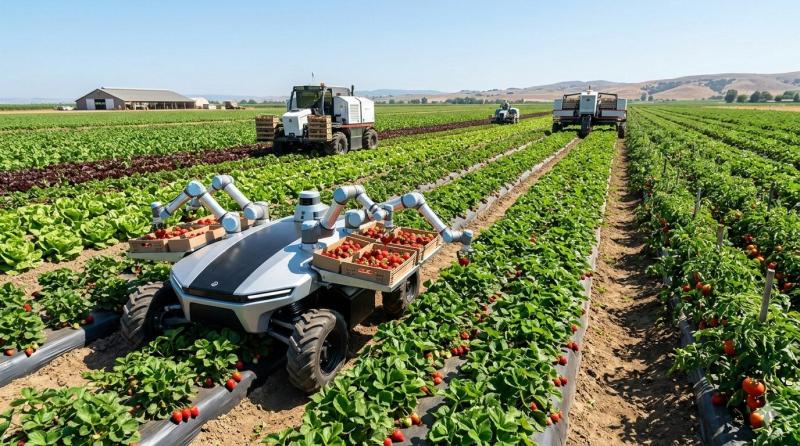
And the best part? It’s no longer built just for large industrial farms. The tools available in 2026 are compact, affordable, and made with smaller plots in mind. Modular robots, automatic weeders, and sensor-equipped drones are now genuinely accessible to the everyday weekend grower.
Here’s what using them actually looks like:
Schedule tasks from your phone. Tell your robot to clear weeds on Tuesday while you’re at work. By the time Saturday comes around, the job is already done.
Spray only where it’s needed. Drones scan your crops and pinpoint exactly where pests or nutrient problems are hiding. Instead of treating the whole field, the system targets just the right spots — saving you time, money, and resources.
The farm doesn’t sit idle while you’re away. The technology handles the routine work, so when you do show up, you can focus on the things that actually need a human eye and a human decision.
That’s the real shift. Farming is no longer something you have to give your whole life to. With the right tools, it fits around the life you already have.
Smart Irrigation and Soil Intelligence in Farming
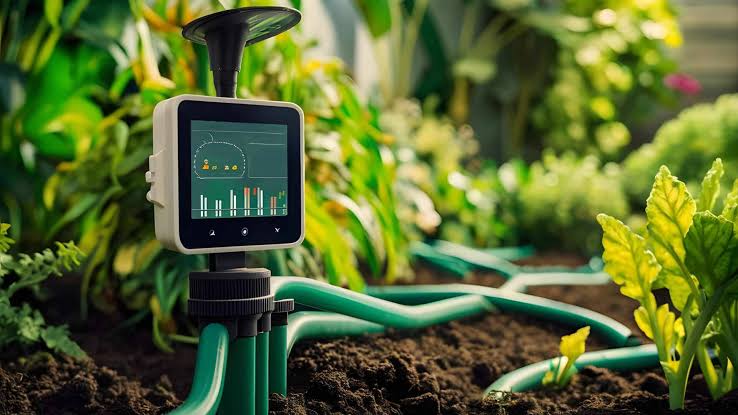
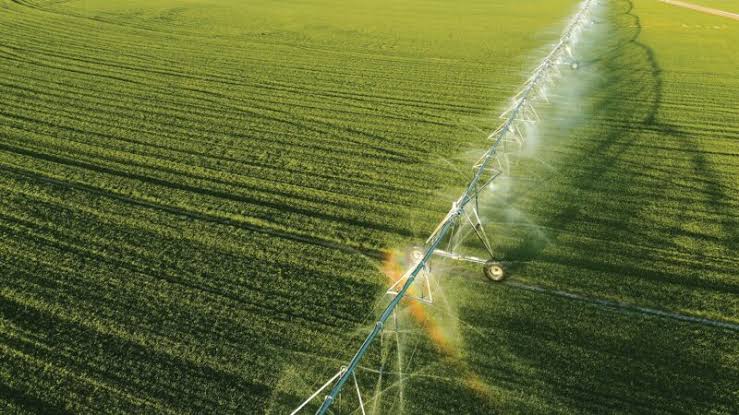
Water management is the heartbeat of any farm, and modern farming technology is transforming how it is managed. New IoT (Internet of Things) sensor networks provide real-time data on soil moisture and nutrient levels, helping farmers make smarter decisions. By pairing these sensors with smart irrigation pumps, farming technology allows a farm to almost “water itself” based on localized weather forecasts and actual soil needs. This means weekend farmers no longer have to worry about heatwaves damaging crops during the work week, as the system automatically adjusts water flow to ensure optimal hydration without wasting a single drop.
Salinity and pH Levels: High water evaporation can leave behind salts that “choke” plants. Smart systems now detect salt buildup in real-time, triggering a “leaching fraction” (a precise extra burst of water) to wash salts away before they damage the roots.
Nutrient Concentration (EC): By measuring Electrical Conductivity, sensors can tell you exactly how much fertilizer is left in the soil. This prevents “nutrient runoff”—where expensive fertilizers are washed away into local streams—saving you money and protecting the environment.
Generative AI and the Future of Farming Technology
You no longer need a degree in agriculture to become a successful weekend farmer, as modern farming technology has made expert guidance more accessible than ever. Generative AI has moved from being just “cool tech” to becoming a practical field partner in today’s farming technology landscape.
With natural language advice, farmers can now ask AI tools questions like, “My tomato leaves are turning yellow and the humidity is 80%—what should I do?” and receive instant recommendations. Predictive planning is another major benefit of farming technology, as AI can analyze years of soil data and climate trends to recommend the best sowing times and crop varieties for a specific micro-climate, taking much of the guesswork out of weekend farming.
Regenerative Practices Meet Farming Technology
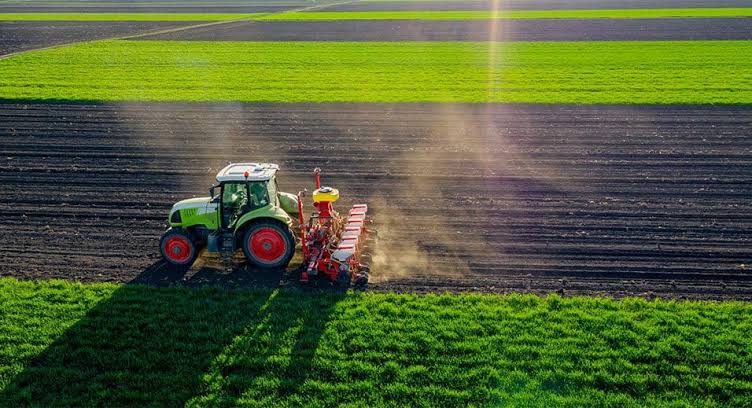
Modern weekend farming is not just about high-tech gadgets; it is also about soil health, and farming technology is playing a major role in supporting regenerative agriculture. Many part-time farmers are adopting regenerative practices that focus on building topsoil, capturing carbon, and improving long-term sustainability.
No-Till technology is one example of how farming technology supports soil conservation, as specialized disc planters allow seeds to be sown without disturbing soil structure, preserving the microbial life essential for plant health.
Cover cropping is another area where farming technology is making a difference. With smart tools used to monitor living roots year-round, farmers can protect soil from erosion and maintain healthier fields, even when they are away from the farm during the week.
Vertical Farming Technology and Urban Farming Solutions
For those whose “farm” is a backyard or a rooftop, vertical farming has become a gold standard in modern farming technology. By utilizing hydroponics (water-based) or aeroponics (mist-based) systems, growers can produce high-yield crops in a fraction of the space used in traditional agriculture. These systems are often fully enclosed, allowing complete control over temperature, humidity, and lighting, which leads to faster growth cycles and minimal pesticide use.
One of the biggest advantages of this farming technology is efficient resource management. Vertical farming uses significantly less water than conventional farming, while nutrient delivery systems ensure plants receive exactly what they need for healthy growth. This precision reduces waste and increases productivity.
Advanced farming technology has also introduced automated monitoring systems that track plant health, regulate climate conditions, and manage irrigation with minimal manual effort. For weekend farmers or urban growers, this makes farming possible even with limited time and space.
Another major benefit is year-round cultivation. Unlike traditional farming that depends on seasons and weather conditions, vertical farming supported by smart farming technology allows crops such as leafy greens, herbs, strawberries, and even vegetables to be grown continuously throughout the year.
As urban agriculture expands, vertical systems are becoming an important part of the future of farming technology, offering sustainable food production, reduced land use, and a practical solution for small-scale farmers and city growers alike.
From Soil to Software: The New Face of Farming Technology
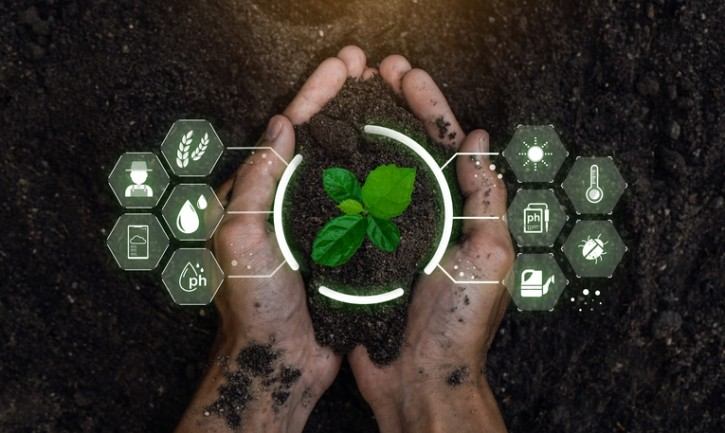
Today’s consumers don’t just want food — they want to know where it came from, how it was grown, and who grew it. Modern farming technology is making that level of transparency possible, even for the smallest plots.
What was once only achievable for large agricultural corporations is now within reach for weekend farmers. Blockchain-based farming technology designed for small-scale use lets growers log every stage of a crop’s journey — from the seed variety planted to the exact harvest date. When you sell at a Sunday market, your customers don’t have to take your word for it. They simply scan a code and read the full story of what’s on their plate.
That kind of trust is hard to put a price on.
Farming technology takes it even further with sensor-backed quality data. Growers can share live readings — soil health, nutrient density, organic growing conditions — directly on a website or social media page. It’s no longer just “I grow organically.” It’s proof, updated in real time, visible to anyone who wants to look.
For the weekend farmer, this changes everything. A small plot with smart farming technology behind it isn’t just a hobby — it’s a transparent, trustworthy, and premium brand. And in a crowded market, that’s exactly what sets you apart.